I
Projects
Explore
II
Institutions
Explore
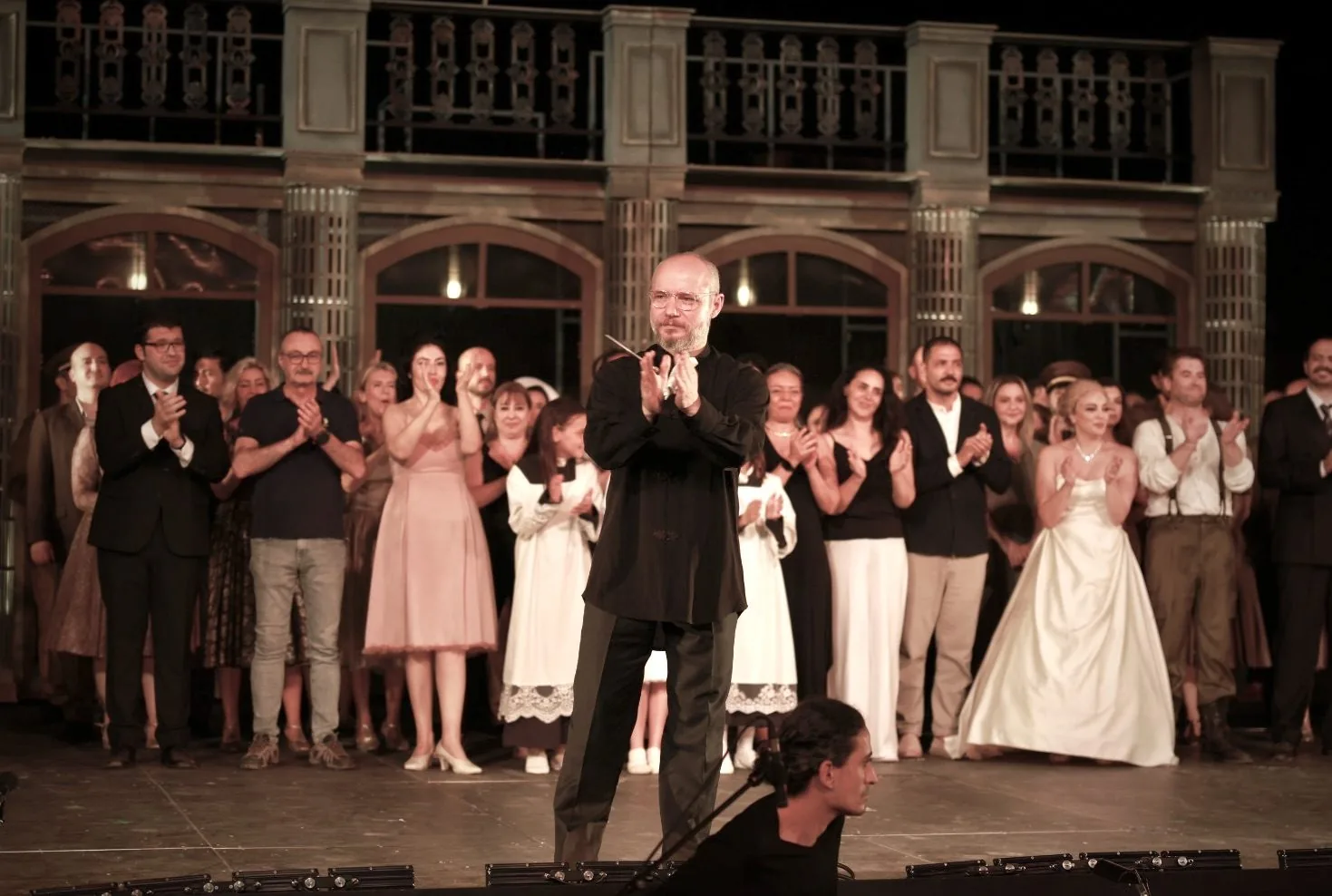
As composer, music director, conductor and educator, Aytuğ Ülgen's work spans a wide range — from national projects carried out primarily under the Presidency of the Republic of Türkiye and the Ministry of Culture and Tourism, along with numerous other ministries and public institutions, to international co-productions and collaborations with cultural, artistic and educational institutions in various countries. You can explore his major completed and ongoing work and institutional collaboration opportunities through the pages below; for conducting engagements, composition commissions, arrangement and orchestration requests, staging of existing works, film/television/media music commissions and/or usage, co-productions and other professional collaborations, you can use the PROFESSIONAL ENQUIRIES page.
For conducting engagements, commissions, existing productions and new creative collaborations.
Kiss Me, Kate follows the hilarious chaos that unfolds both onstage and behind the scenes as a theatre company prepares to perform Shakespeare's The Taming of the Shrew. The production's director and leading man, Fred Graham, and his former wife, the glamorous Hollywood star Lilli Vanessi, portray Petruchio and Katherine onstage, while their unresolved passions, rivalries, and lingering emotions spill into the performance itself. Meanwhile, the young and charming Lois Lane, her mischievous boyfriend Bill, and a pair of gangsters who unexpectedly become involved in the production add even more confusion to an already tangled situation. Blending romance, jealousy, and a love of theatre, this Broadway classic invites audiences into a fast-paced musical comedy brought to life by the unforgettable songs of Cole Porter.
This production is directed by Bora Severcan, with musical arrangements and orchestral direction by Aytuğ Ülgen, and choreography by Özgür Adam İnanç.
CYRANO DE BERGERAC - Ballet
Adapted from the story of one of the most beloved heroes of French literature, Cyrano de Bergerac is a compelling ballet centered on love, sacrifice, honor, and the struggle between self-perception and human imperfection. Inspired by Edmond Rostand's timeless masterpiece, this stage adaptation brings audiences face to face with both the most fragile and the most noble dimensions of the human spirit through its emotional depth and powerful dramatic structure.
At the heart of the story is Cyrano, a man admired for his extraordinary intelligence, courage, and poetic brilliance, yet unable to confess his love because of his appearance. Deeply and hopelessly devoted to his cousin Roxane, Cyrano agrees to help the young and handsome Christian win her affection. As Christian's appearance and Cyrano's words become intertwined, an extraordinary relationship emerges, leading the characters on an unforgettable journey through love, devotion, and tragedy. Cyrano's decision to sacrifice his own happiness for the happiness of the woman he loves has made the work one of the most moving love stories in world literature.
The original score by composer Turhan Yükseler, together with the orchestrations and arrangements by conductor Aytuğ Ülgen that emphasize the richness of the orchestral palette, illuminate the inner worlds of the characters and further deepen the dramatic impact of the work.
Masterfully adapted for the stage by choreographer Özgür Adam İnanç, who unites music, dance, and storytelling into an extraordinary artistic synthesis, Cyrano de Bergerac was introduced to audiences through an impressive world premiere at the Mersin State Opera and Ballet. The production received widespread acclaim and subsequently earned its place in the repertoire of the Turkish State Opera and Ballet.
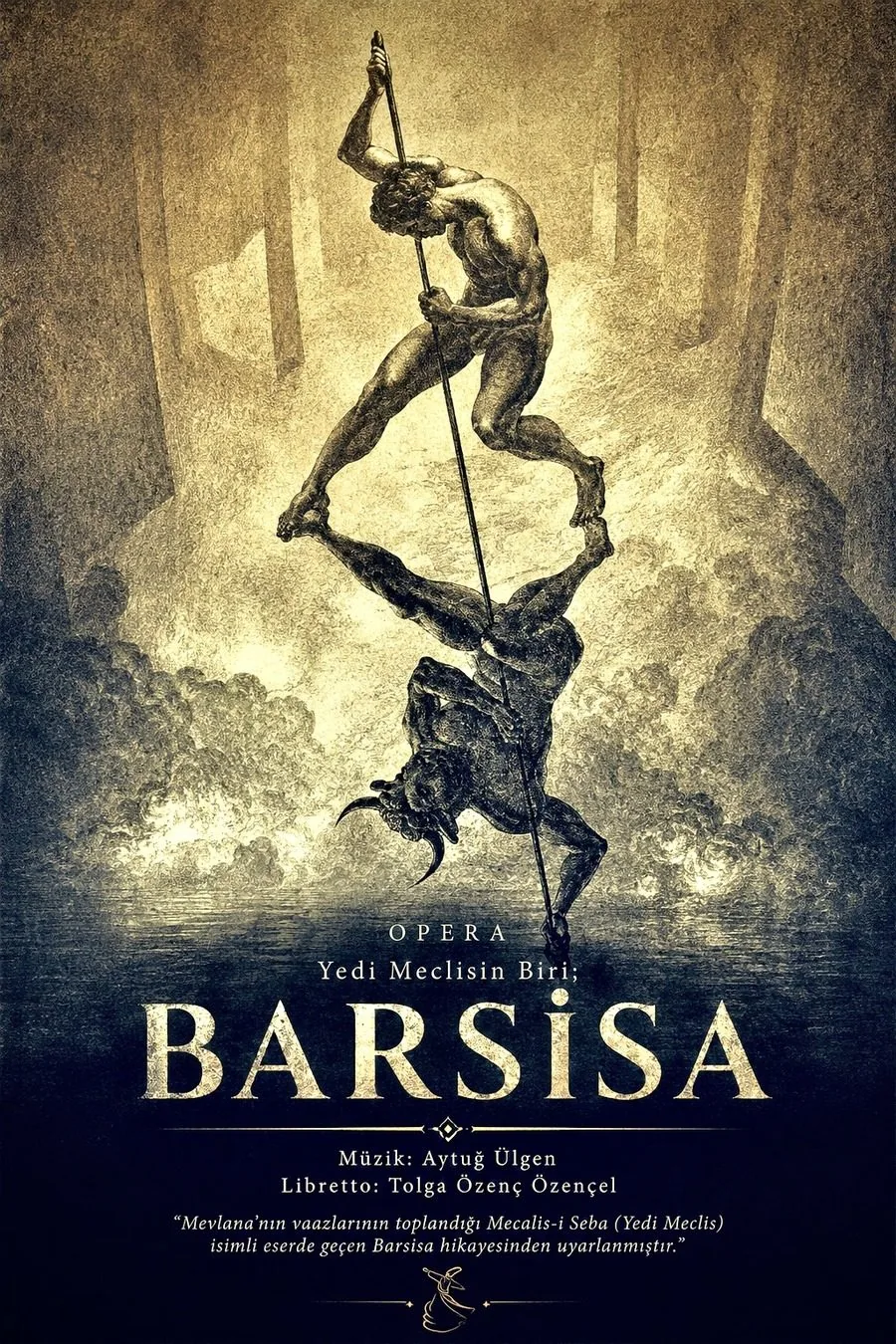
Inspired by a brief story from the First Assembly of Mecâlis-i Seb'a (The Seven Sessions), Mevlana's collection of seven sermons, Barsisa is an opera centered on the concept of sin and the metaphor that a person who "blows out the candle within" will ultimately see their true self in the darkness.
Among the Children of Israel lived Barsisa, a scholar renowned for his wisdom, faith, and healing gifts. Revered by all who sought his counsel, he appears to possess a soul beyond the reach of evil itself. Yet Satan believes that even the strongest fortress contains a hidden gate. The arrival of a young woman in Barsisa's life becomes not merely a human encounter, but the beginning of a deadly trial between faith and desire, compassion and possession, truth and illusion. In a story where innocence, passion, and deception intertwine, an invisible battle unfolds within the darkest recesses of the human soul.
Based on the parable recounted in Mevlana's Mecâlis-i Seb'a, Barsisa is a haunting opera about how a person is ultimately defeated not by the Devil, but by a small crack within themselves. In this tragedy, where good and evil are never simple opposites and where love, fear, pride, and desire become inseparably entangled, the audience is left with a troubling question: Does a human being truly become the victim of Satan, or do they open the door and invite him in themselves?
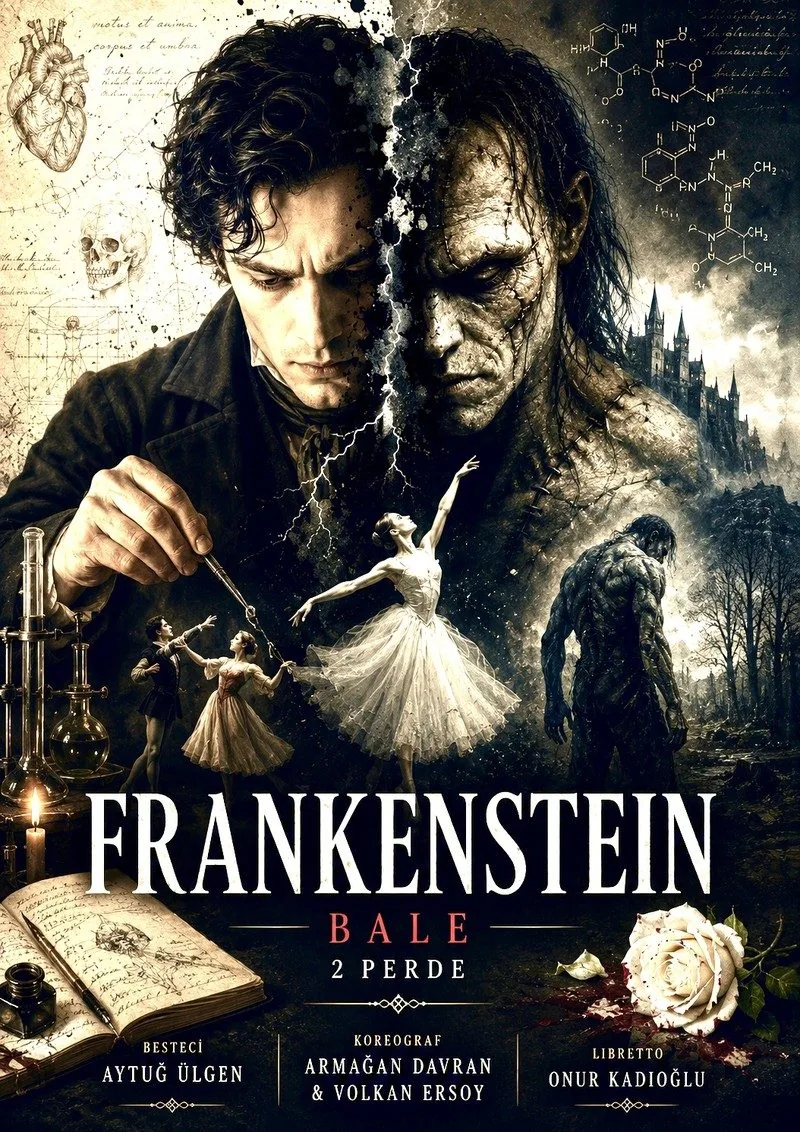
In the first act, the young scientist Victor Frankenstein is portrayed as he seeks to unravel the secrets of life itself. Determined to animate a being of his own creation, he gathers human remains from graveyards and charnel houses. As his friend Henry reflects on humanity, morality, and God, Victor's scientific ambitions increasingly clash with these ideals, revealing the fears and obsessions that drive him. Meanwhile, Elizabeth's love and hope for Victor are symbolized by the arrival of spring during his absence. Yet this season of renewal proves short-lived. The creature Victor has brought to life accidentally kills his younger brother, William, and, in an attempt to conceal the crime, places William's watch in Justine's pocket. Wrongly accused of murder, Justine is convicted and sentenced to death.
In the second act, the audience witnesses the creature's experiences in the world and the violence and rejection it suffers at the hands of humankind. While hiding in a small village cottage, the creature becomes fascinated by Agatha, whose kindness leads him to believe that friendship and acceptance may still be possible. However, when he finally reveals himself, he is met with fear and rejection, deepening his loneliness and despair. Victor and the creature eventually reach an agreement: Victor promises to create a companion for him, but abandons the project at the last moment. This betrayal fuels the creature's rage, leading him to murder Victor's newly wedded wife, Elizabeth. Victor embarks on a relentless pursuit of his creation but fails to destroy it, and ultimately falls victim to the very being he brought into existence. The opera concludes by emphasizing the creature's profound isolation and Victor Frankenstein's tragic downfall.
Kiss Me, Kate follows the hilarious chaos that unfolds both onstage and behind the scenes as a theatre company prepares to perform Shakespeare's The Taming of the Shrew. The production's director and leading man, Fred Graham, and his former wife, the glamorous Hollywood star Lilli Vanessi, portray Petruchio and Katherine onstage, while their unresolved passions, rivalries, and lingering emotions spill into the performance itself. Meanwhile, the young and charming Lois Lane, her mischievous boyfriend Bill, and a pair of gangsters who unexpectedly become involved in the production add even more confusion to an already tangled situation. Blending romance, jealousy, and a love of theatre, this Broadway classic invites audiences into a fast-paced musical comedy brought to life by the unforgettable songs of Cole Porter.
This production is directed by Bora Severcan, with musical arrangements and orchestral direction by Aytuğ Ülgen, and choreography by Özgür Adam İnanç.